
Fluids and Earth’s crust
Fluids play a critical role in the evolution and chemical modification of the Earth’s crust. They control heat and mass transfer, mineral reactions, and deformation processes. Moreover, investigation of fluid-rock interaction mechanisms and related processes is important in understanding fault rupture and related seismic hazard.
In addition, the physical and chemical interactions between the aqueous geofluids and rocks in the Earth’s upper crust is fundamental for mineralising critical raw materials. Therefore, it is key to understand the behaviour of the upper crustal fluid, and how it transports solutes and heat. This will contribute to the sustainable future of the EU’s economy.
Fluids and
Earth’s crust
Fluids play a critical role in the evolution and chemical modification of the Earth’s crust. They control heat and mass transfer, mineral reactions, and deformation processes. Moreover, investigation of fluid-rock interaction mechanisms and related processes is important in understanding fault rupture and related seismic hazard.
In addition, the physical and chemical interactions between the aqueous geofluids and rocks in the Earth’s upper crust is fundamental for minralising critical raw materials Therefore, it’s key to understand the behaviour of the upper crustal fluid, how it transport ssolutes and heat. This could contribute to the sustainable future of the EU’s economy.
Critical Raw Materials
Critical Raw Materials are those that currently have no substitutes with current technologies, and which most consumer countries are dependent upon. In the case of the EU, European countries are highly dependent on ‘single supply’ countries of key raw materials such as:
- Mg (China, 97%)
- Li (Chile, 97%)
- Ir (South Africa, 93%)
- Nb (Brazil, 92%)
This makes the supply chains extremely vulnerable.
ForMovFluid conducts innovative geoscience research underpinned by cutting edge technologies, to develop novel solutions for an enhanced access to hydrothermal hosted critical metal deposits.
Critical Raw
Materials
Critical Raw Materials are those that currently have no substitutes
with current technologies, and which most consumer countries are
dependent upon.
In the case of the EU, European countries are highly dependent on
‘single supply’ countries of key raw materials such as:
- Mg (China, 97%)
- Li (Chile, 97%)
- Ir (South Africa, 93%)
- Nb (Brazil, 92%)
This makes the supply chains extremely vulnerable. which again
makes supply chains extremely vulnerable.
ForMovFluid will do basic research into curting edge geoscience, to
develop novel solutions and ideas for an enhanced access to
hydrothermal hosted critical metal deposits.
3 Central Themes
ForMovFluid is scattered across three different areas, each one with a dedicated Working Package.
Fluid Flow Drivers
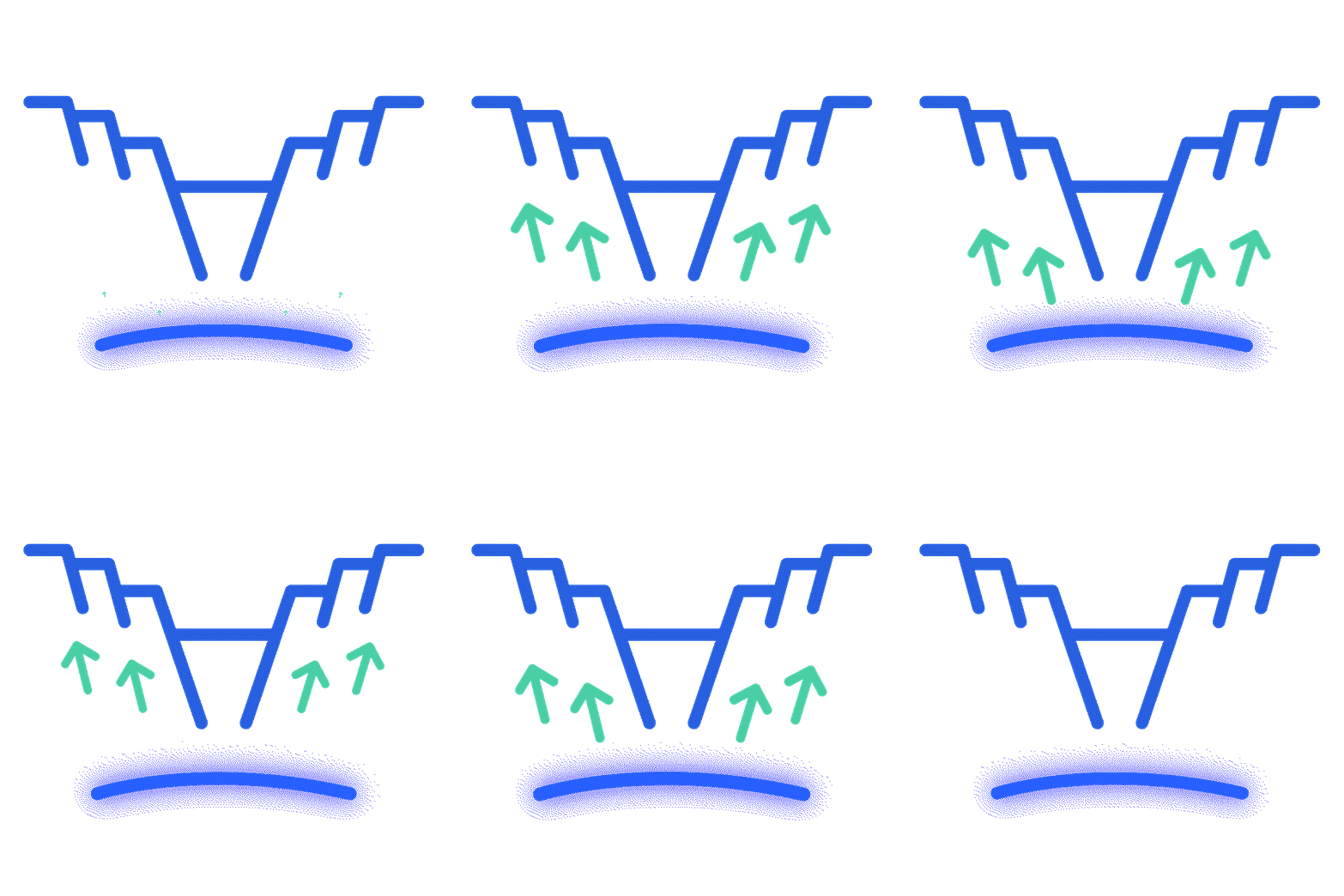
Determining the different types of fluid flow drivers for different tectonic settings leading to steady state or intermittent flow regimes.
We will integrate (micro)structural studies with geodynamics and numerical modelling.

Fluid Flow Pathways
Integrating structural and microstructural studies with petrology, geochemistry, geochemical modelling, and rock magnetism studies.
We will analyse the different potential routes that fluids take from source areas to final destinations.
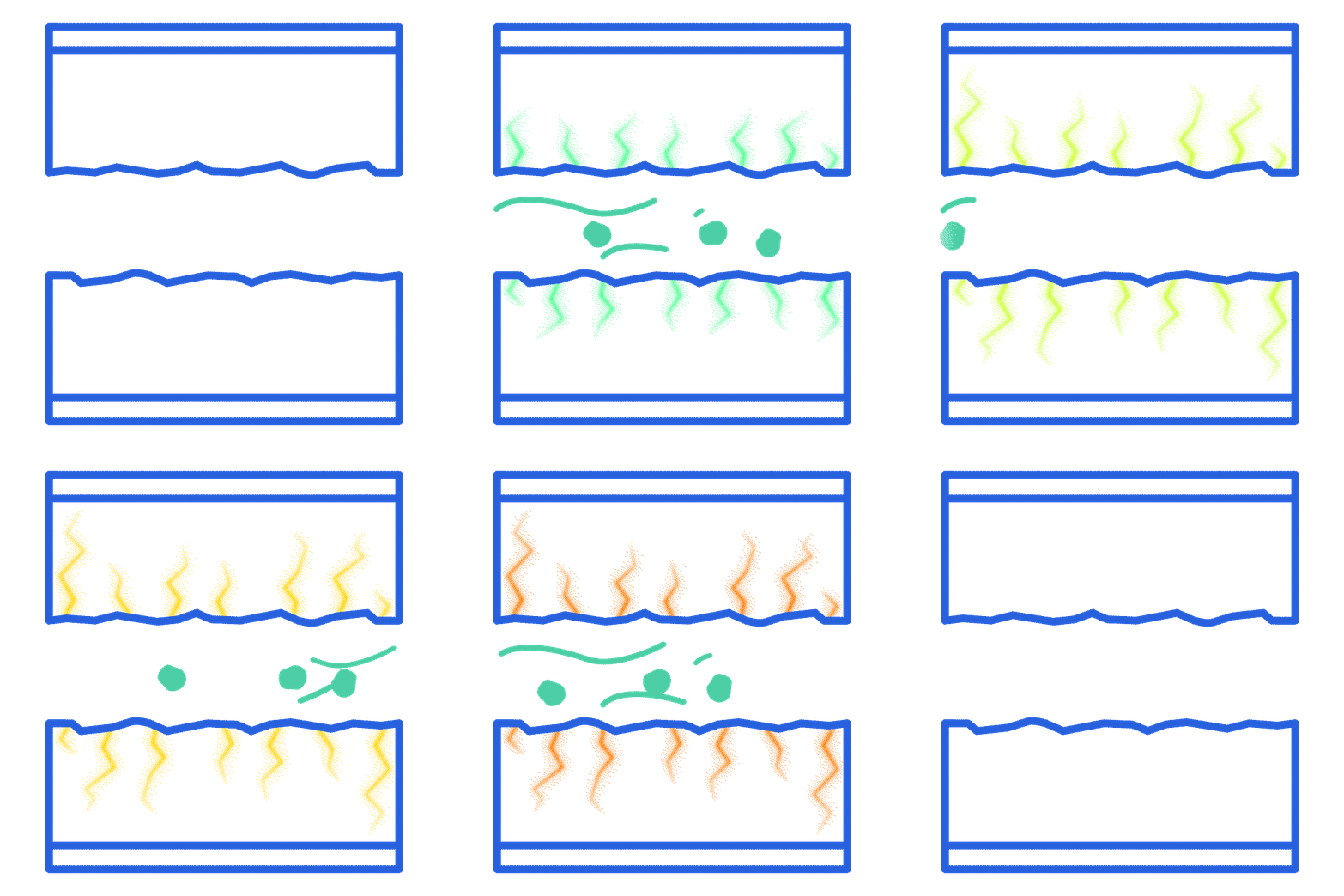
Fluid/Rock interactions
Looking in detail at the interactions between fluid and rock, over the full course of the fluid movement.
We will rely on integrating mineralogy, petrology, and geochemistry techniques with geochemical modelling.
3 key scientific areas
ForMovFluid is scattered across three different areas, each one with a dedicated Working Package.
Fluid Flow Drivers
We will determine the different types of fluid flow drivers for different tectonic settings that lead to steady state or intermittent flow regimes.
To do this, the PhD thesis will rely on integrating structural/microstructural studies with geodynamics and numerical modelling.
Fluid Flow Pathways
This work package will integrate structural/microstructural studies with petrology, geochemistry, geochemical modelling, and rock magnetism studies.
The objective is to analyse the different potential routes that fluids take from source areas to final destinations.
Fluid/Rock interactions
We want to look down in detail the interactions between fluid and rock, over the full course of the fluid moevement.
To do this, we will rely on integrating mineralogy, petrology and geochemistry techniques with geochemical modelling
3 supporting Work Packages
Three work packages underpin our pathway to impact:

Training & Career
Development
ForMovFluid is training 18 PhDs. They will receive sector-leading training and mentoring, thanks to a generous research budget and excellent networking & research facilities offered by the consortium.

Communication,
Dissemination & Exploitation
Research is not finished until you tell the world about it. For that reason, we have a
thorough communication strategy in place
that targets everyone: science community,
policy makers, industry, and society at large.

Project
Management
An ambitious project such as ForMovFluid
requires strict planning and methodology.
Our project managers ensure that the project stays in line and everything runs smoothly.
3 supporting Work Packages
To make sure that the project makes the largest possible impact, we
count on the support of three Working Packages:
Training & Career
Development
ForMovFluid will train 15 PhDs. We want to
make sure they receive high quality
mentoring and training. As well, we want to
provide them with the soft skills needed to
have an ample choice of future career plans
Communication,
Dissemination & Exploitation
Research is not finished until you tell the
world about it. For that reason, we have a
thorough communication strategy in place
that targets everyone: science community,
policy makers, industry, and society at large
Project
Management
An ambitious project such as ForMovFluid
requires strict planning and methodology.
Our project managers ensure that the project
stays in line and everything runs smoothly
18 PhD projects
The project will train 18 PhDs in cutting edge geoscience field and laboratory techniques.
The PhD projects span across a broad range of topics, combining both field and laboratory experience. You can explore the PhD projects below.

15 PhD projects
The project will train 15 PhDs in cutting edge geoscience field and laboratory techniques.
The PhD projects span across a myriad of topics, including XXX,YYY,ZZZ. You can explore the PhD projects below
11 Institutions
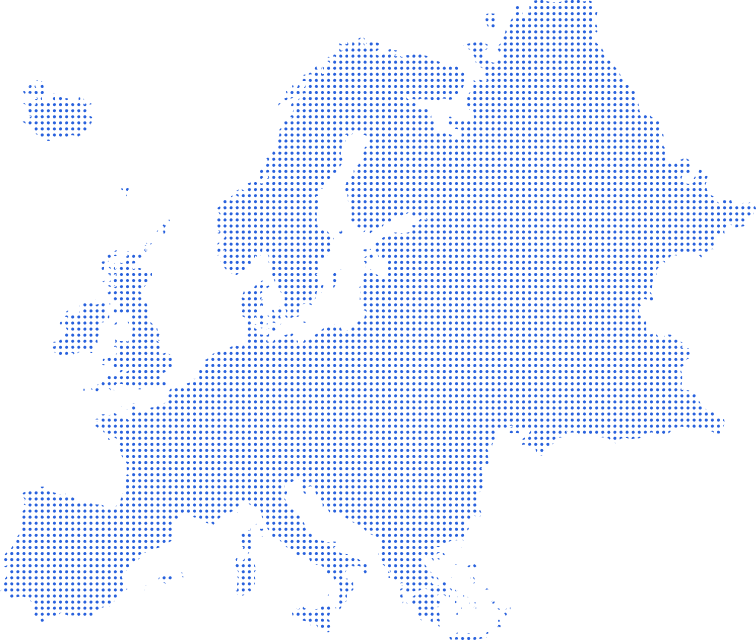

University College Cork – Coordinator
Pat Meere – Coordinator and Principal Supervisor
Richard Unitt – Supervisor
Friedrich-Alexander University
Barbara Kleine-Marshall – Principal Supervisor
Daniel Koehn – Principal Supervisor

Instituto de Geociencias
Ana Negredo Moreno – Principal Supervisor
Daniel Pastor-Galán – Principal Supervisor
University of St Andrews
William McCarthy – Principal Supervisor
Deutsche ErdWärme
Felix Allgaier – Principal Supervisor

SLR Consulting
Paul Gordon – Principal Supervisor

Universidade de Évora
Manuel Francisco Pereira – Supervisor
Cristina Gama – Supervisor

Boliden
Tobias Hermansson – Supervisor

Aurum Global Exploration
Vaughan Williams – Supervisor
Department of the Environment, Climate and Communications
Eoin McGrath – Supervisor
Agata Communications
Juanjo Sáenz de la Torre – Head of Comms
Lucía Casas – Science Communicator