
PhD Project Descriptions
Project 1. Understanding the role of fault plumbing and associated fluid flow in the development of vein hosted mineralising systems in sedimentary basins using an example from the Munster Basin, Southern Ireland.

Copper mineralisation in the Munster Basin, SW Ireland, is found in both pre- and syn-Variscan quartz-rich veins. Additionally, smaller stratiform sediment-hosted copper deposits are spatially associated with these vein systems. Recent studies have provided solid temporal constraints to pre- and syn-Variscan fluid pulses, significantly opposing the previous interpretations.
It is in this context that the project will investigate 1) the nature and source of the mineralising fluids, 2) the source of copper, and 3) the very limited spatial extent of these deposits.
Using a geochemical approach, both veining episodes will be investigated and compared to provide a better understanding of the copper mineralisation in the Munster Basin of SW Ireland.
This project is based at University College Cork, Ireland.
Doctoral candidate: François-Xavier Bonin
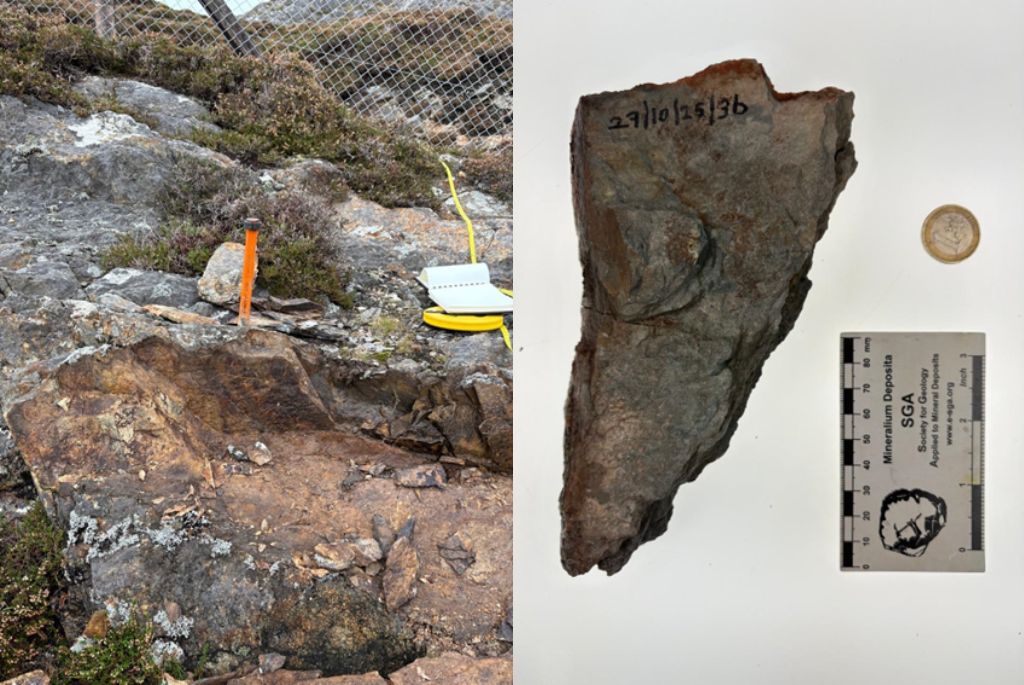
Project 2. Characterisation of fluid flow and associated alteration and mineralization in Upper Palaeozoic sedimentary sequences from the SW Ireland using hyperspectral imaging spectroscopy.
This project investigates regional scale host rock alterations associated with two mineral deposits:
– The Allihies quartz vein-hosted Cu deposit on the Beara Peninsula, County Cork.
– The Zn-Pb prospect hosted in Lower Carboniferous limestones from the Rathkeale area of north County Limerick.
The research will incorporate hyperspectral imaging data acquired from outcrops, drill cores and UAVs into a single 3-D model that, with the aid of machine learning protocols, can be upscaled to facilitate regional mineral exploration strategies in these areas.
This project is based at University College Cork, Ireland.
Doctoral candidate: Mahasen Kulugammana
Project 3. Fluid origin and transport in the upper crust – episodic vs. continuous fluid flow along fracture networks.
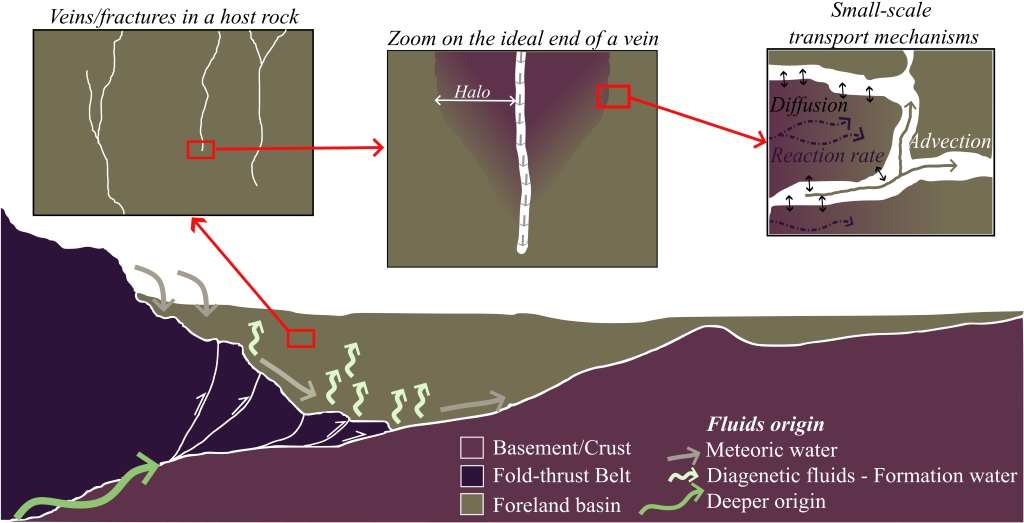
My project is about fluid origin and transport in the upper crust, and more precisely on the origin and velocity of fluids in foreland basin. In this way, I will study the mineralogy, geochemistry and geometry/pattern of veins and halos in some foreland basin samples. The analysis and the petrographic observations will be used to track the nature and the origin of the fluids that flew in the samples.
Then, combining modelling with a petrologic and micro-structural approach will allow to determine the transport mechanism(s) (diffusion, advection or reaction rate) of the fluids. This will also lead to estimate at which speed fluids flew in the samples and more generally if they flow like rapid pulses or continuous flow in foreland basin. Another goal of this project is to study transport mechanisms and the associated pattern at different scales (from outcrop to µm).
This project is based at Friedrich-Alexander University of Erlangen-Nuremberg, Germany.
Doctoral candidate: Lisa Lebrun
Project 4. Ore mineralization and fluid fluxes in orogenic foreland basins.

My PhD project aims to explore the role of fluid fluxes in different orogenic settings to better understand how the fluids contribute to ore-forming processes in these environments. A central goal is to decipher how hydrothermal fluids circulate within ore deposits and which processes have controlled their movement. Particular attention is given to the role of geological structures that act as pathways focusing and channelling metal-bearing fluids
To address these questions, I combine highly sensitive Anisotropy of Magnetic Susceptibility and Remanence (AMS and ARM) petrofabric tools at the M3Ore Magnetics Lab in St. Andrews (Scotland) with geochemical analyses (e.g., EPMA, LA-ICP-MS/MS) done in Erlangen. Petrofabric analyses allow the identification of multiple magnetic fabrics within individual samples, which is especially valuable when magmatic, tectonic, and hydrothermal events occur nearly contemporaneous. These studies can further demonstrate the potential of integrating petrofabric data with geochemical methods to resolve fluid flow and even hydrothermal alteration processes.
This project is based at Friedrich-Alexander University of Erlangen-Nuremberg, Germany.
Doctoral candidate: Elisa Toivanen
Project 5. The influence of hydro- and chemo-mechanics on fluid pathways
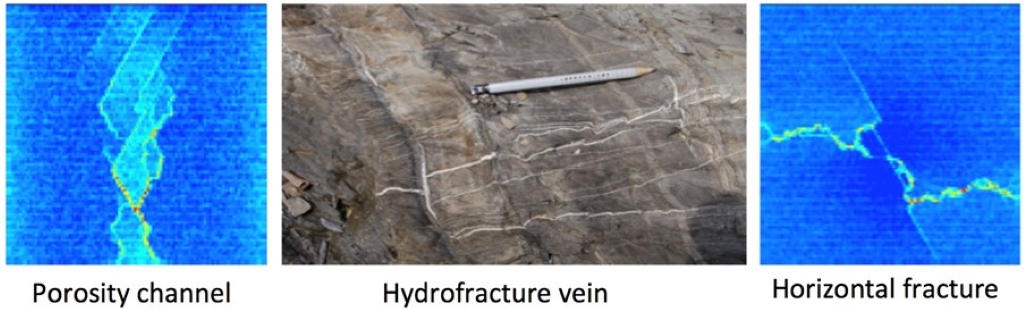
With a series of fluid inclusion studies, proxies for the characteristics of the systems we will developed. The structures will be studied using two different models; one is an existing microstructural modelling environment, “Elle” [1], and the other is an ongoing multi-scale FEM-DEM based modelling tool to study hydro-chemo-mechanical effects.
For the numerical modelling, parameters will be varied to develop a matrix of pattern proxies for the real system. Boundary conditions for fluid fluxes, tectonic scenarios and pressure variations will come from large scale modeling and field projects in ForMovFluid.
In this project the hydro- and chemo-mechanics of fluid pathways will be studied numerically combined with fieldwork. Field areas include the Irish and the South Portuguese Variscan foreland, where fluid fluxes are preserved in large vein networks as well as porphyry-copper systems.
[1] Piazolo, S., Bons, P.D., Griera, A., Llorens, M.G., Gomez-Rivas, E., Koehn, D., Wheeler, J., Gardner, R., Godinho, J.R., Evans, L. and Lebensohn, R.A., 2019. A review of numerical modelling of the dynamics of microstructural development in rocks and ice: Past, present and future. Journal of Structural Geology, 125, pp.111-123.
This project is based at Friedrich-Alexander University of Erlangen-Nuremberg, Germany.
Doctoral candidate: Ehsan Ahmadi Olyaei
Project 6. Spatio-temporal scales of fluid transport and reaction during ore formation
The formation of ore deposits involves complex interactions between fluid pathways, matter and heat transport, and chemical reactions. While fluids are often modelled with uniform compositions, local chemistry varies significantly at the grain scale due to mixing, host rock dissolution, and precipitation. Even a single crack creates a multi-component system with intricate transport interactions.
This research investigates spatio-temporal patterns in ore formation from small to outcrop scales using numerical simulations. We will develop a model that integrates reactions and fluid evolution to capture the full complexity of these systems.
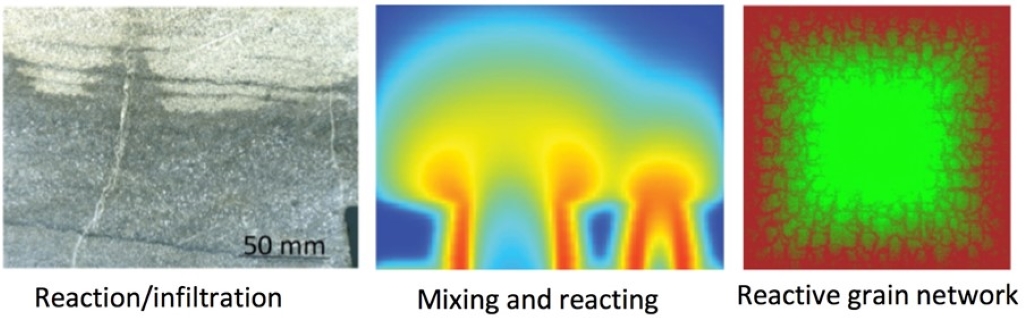
We aim to quantify developing patterns as a function of fluid chemistry, host rock properties, and extrinsic variables like depth and temperature. Additionally, we will obtain geochemical cross-sections of alteration and ore zones from field systems. By comparing these natural patterns with our numerical results, we will develop a predictive tool for alteration zones and ore formation.
This project is based at Friedrich-Alexander University of Erlangen-Nuremberg, Germany.
Doctoral candidate: Maxime Fatzaun
Project 7. Fluid flow within the core of a super-plate

My PhD project investigates how mantle-derived fluids and melts are generated and migrate. We are interested in how this is controlled by lithospheric structure, plate motions, and mantle flow. I will look at the way tectonic settings, such as extension or delamination, create or redirect fluid pathways, as well as the influence of thermal anomalies and instabilities.
These mechanisms are explored using thermo-mechanical numerical modelling with the open-source code ASPECT. The primary aim is for these simulations to become a tool to interpret observations and to anticipate where and when fluid or melt focusing may occur in real tectonic settings. The project is titled “Bottom-up fluid flow: the role of lithospheric anisotropies and plate tectonics”.
This project is based at the Instituto de Geociencias, Madrid, Spain.
Doctoral candidate: Patricia Rodríguez Batista
Project 8. Dating upper crustal fluid flow at outcrop and grain scale
In my PhD project, I study how fluids move through the Earth’s crust and how these fluid circulation events can be identified and dated. Fluids play a fundamental role in geological processes, influencing rock deformation, mineral formation, and the thermal evolution of mountain belts. However, determining when fluids circulated and how they moved through rocks remains a major challenge.

My research focuses on carbonate rocks affected by ancient tectonic processes, where fluid flow has left subtle but measurable geological signals. I combine well-established isotope geochemistry and geochronology with novel paleomagnetic and rock-magnetic techniques to determine the origin, timing, and pathways of fluid transport events.
Magnetic properties preserved in rocks can act as sensitive recorders of fluid–rock interaction, providing information that complements traditional geochemical methods. Through this approach, my work aims to improve our understanding of how fluids interact with tectonics during mountain building and to contribute to more reliable reconstructions of Earth’s geological history.
This project is based at the Instituto de Geociencias, Madrid, Spain.
Doctoral candidate: Catalina Galán
Project 9. The role of structural inheritance in fluid flow at plate scale
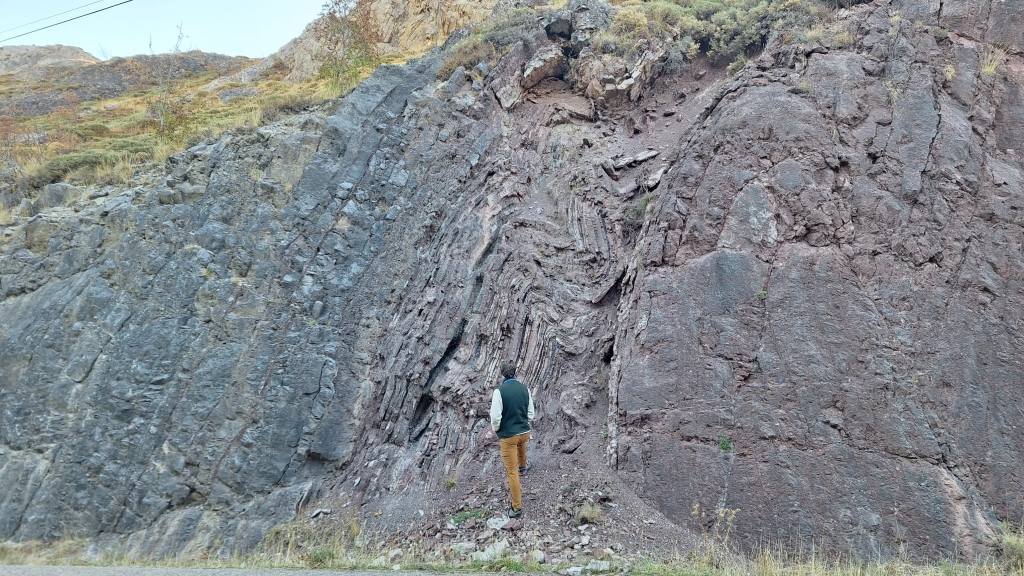
My project will focus on understanding the role of long-lived lithospheric scale structures during the Paleozoic Variscan orogeny. These features (such as sutures, faults, shear zones…) act as plate margins and control plate kinematics and fluid migration within the crust, but are not yet well understood.
To do that, my first objective will be to produce – through a comprehensive data review and the collection of new (paleomagnetic, isotopic, structural…) data – a high-resolution plate reconstruction of the Variscan orogeny.
The reconstruction will allow to have a clear picture of the tectonic configuration of the plate margins, and so of the location and characteristics of these long-lived structures and of their evolution through time.
The reconstruction will then become the base of targeted field research aimed at verifying the existence and characteristics of such structures in the field, and at collecting new data on these structures to understand their role in plate kinematics and fluid flow.
This project is based at the Instituto de Geociencias, Madrid, Spain.
Doctoral candidate: Alice Maremmani
Project 10. Bottom-up fluid flow: the role of lithospheric anisotropies and plate tectonics
My project involves tectonic plate reconstructions, palaeomagnetic studies and computer modelling, specifically to look at the internal deformations present during the formation of the Pangea supercontinent as a result of both interplate and intraplate deformation mechanisms.

These internal deformations may have influenced fluid flow within the super continent during and even after its establishment as a rigid superplate and may have influenced the subsequent breakup as well.
The project will likely be very interdisciplinary, involving lab work to obtain palaeomagnetic data, computational modelling of plate tectonic motion and fluid migration, as well as field work to obtain samples and look at regional scale deformations.
This project is based at the Instituto de Geociencias, Madrid, Spain.
Doctoral candidate: Oliver Ross
Project 11. Fluid flow and fracture mineralisation in geothermal wells of Upper Rhine Graben and ore mines in the Black Forest
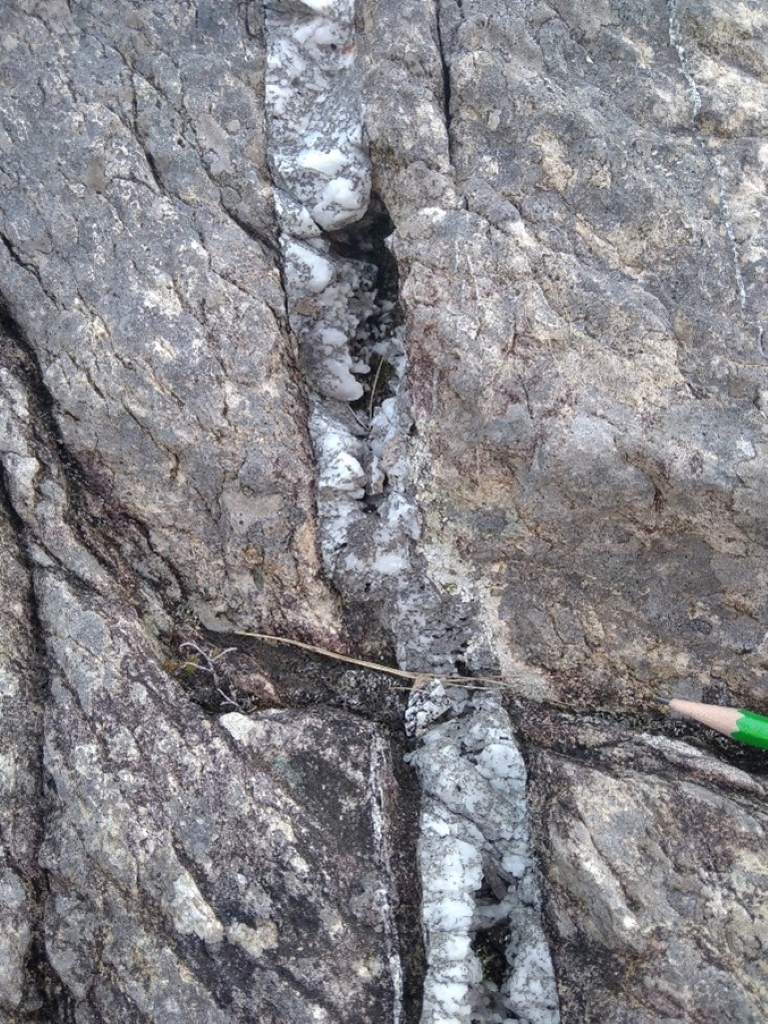
The Upper Rhine Graben (URG) is the central part of the European Cenozoic Rift System and holds a huge geothermal potential due to a reduced Moho depth and active hot brine convection cells. In addition to that appealing potential, hydrothermal brines of the URG show high Lithium concentrations. Yet, investors-relying deep geothermal energy companies face difficulties to predict fracture network permeability before drilling operations. This problem induces techno-economic risks, which frighten investments and in turn hinder the wide development of deep geothermal energy use. The goal of this work is to better understand fracture clogging controls, kinetics and relationship with the URG history.
We will integrate data from both the French and German side of the graben, which is seldomly done in studies.
A characterization of mineralized fractures all around the URG shoulder will help to complete the list of hydrothermal clogging events already identified in the Black Forest and will enable us to simulate the rate of precipitation in mineralized fractures and thus their clogging potential with the help of the ForMovFluid community.
This project is based at Deutsche Erdwärme, Karlsruhe, Germany.
Doctoral candidate: Léo Mazzinghi
Project 12. Understanding the regional structural framework and controls on Ni-Cu-Co mineralisation, in the Ringerike Metallogenic Province, Norway
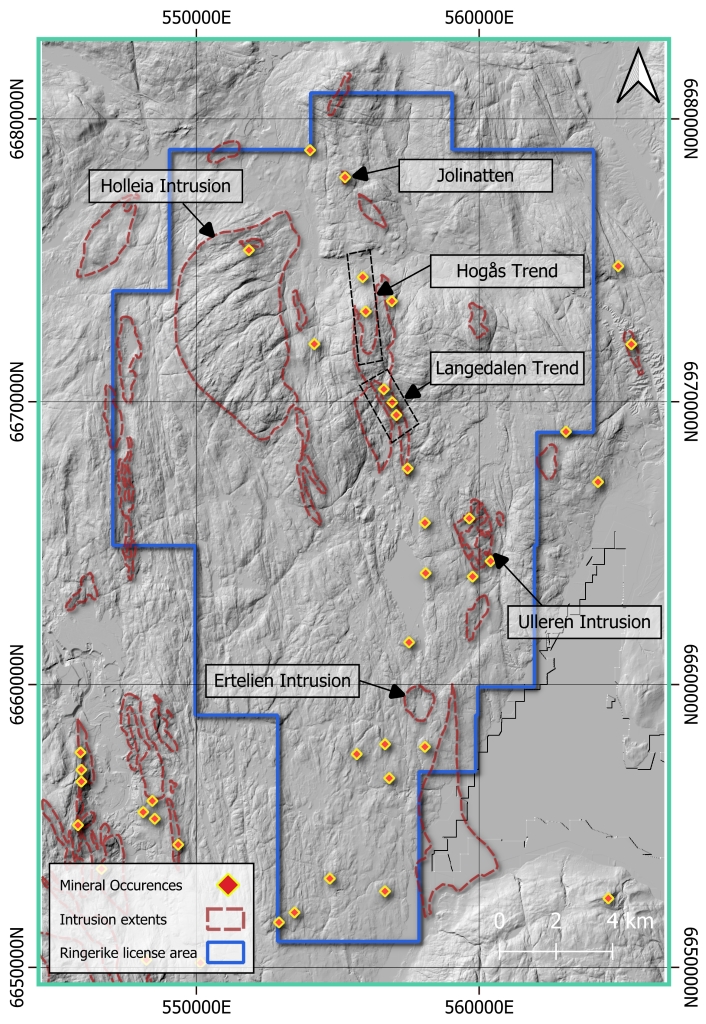
The project focuses on increasing understanding of the regional structural framework and controls on magmatic Ni-Cu-Co mineralisation in the Sveconorwegian Province, particularly in the Ringerike region.
The objectives of the project are to utilise a combination of industry-standard software packages for 3D modelling and machine learning to interrogate large but disparate datasets collected from previous exploration undertaken within the area. Moreover, the potential of the open-access regional data for exploration will be assessed. This should result in the creation of prospectivity models that will aid the identification of high-potential targets and underexplored areas. For this, hypotheses will be developed and tested by state-of-the-art exploration techniques, significantly enhancing the exploration efforts within the region.
The initial work focuses on developing a Python-based machine learning approach which utilises open-access data to map the outcropping rocks within the Ringerike region.
This project is based at SLR Consulting, Kilkenny, Ireland.
Doctoral candidate: Radoslaw Mróz
Project 13. Fluid migration, albitization and metal concentration in intracratonic basins; from formation to inversion

Understanding how fluids move through the Earth’s crust is critical for explaining how economically important metals are mobilised, transported, and concentrated into mineral deposits. This PhD project investigates fluid migration during the formation, evolution, and inversion of intracratonic sedimentary basins, with a particular focus on the Munster Basin in southwest Ireland.
Image: Raman map of sandstone contemporaneous with the Carrigcleena Volcanics. Three structural varieties of albite are recorded in different shades of pink. Image courtesy of Dr Richard Unitt.
The objective of this project is to undertake detailed petrographic and geochemical analysis to map the spatial and temporal effects of albitization and how this corresponds with sediment leaching, faulting and location of metalliferous deposits.
By reconstructing when and where fluids circulated through the basin, the project seeks to identify metal sources and the mechanisms responsible for their redistribution during basin evolution. These processes are particularly relevant for understanding copper- and cobalt-bearing systems, which are essential for renewable energy technologies and the transition to a low-carbon economy.
This project is based at University College Cork, Ireland.
Doctoral candidate: Hannah Vogel
Project 14. Fluid flow scales: the time and spatial scales of metamorphic fluid events
My research examines metamorphic fluid flow by integrating field mapping, petrography, geochemistry, and numerical modelling to quantify fluid fluxes and element transport. The study focuses on how mineralogical, structural anisotropies and deformation influence reaction fronts between different metamorphic lithologies, with implications for CO₂ release and the enrichment of economically important metals during regional metamorphism.
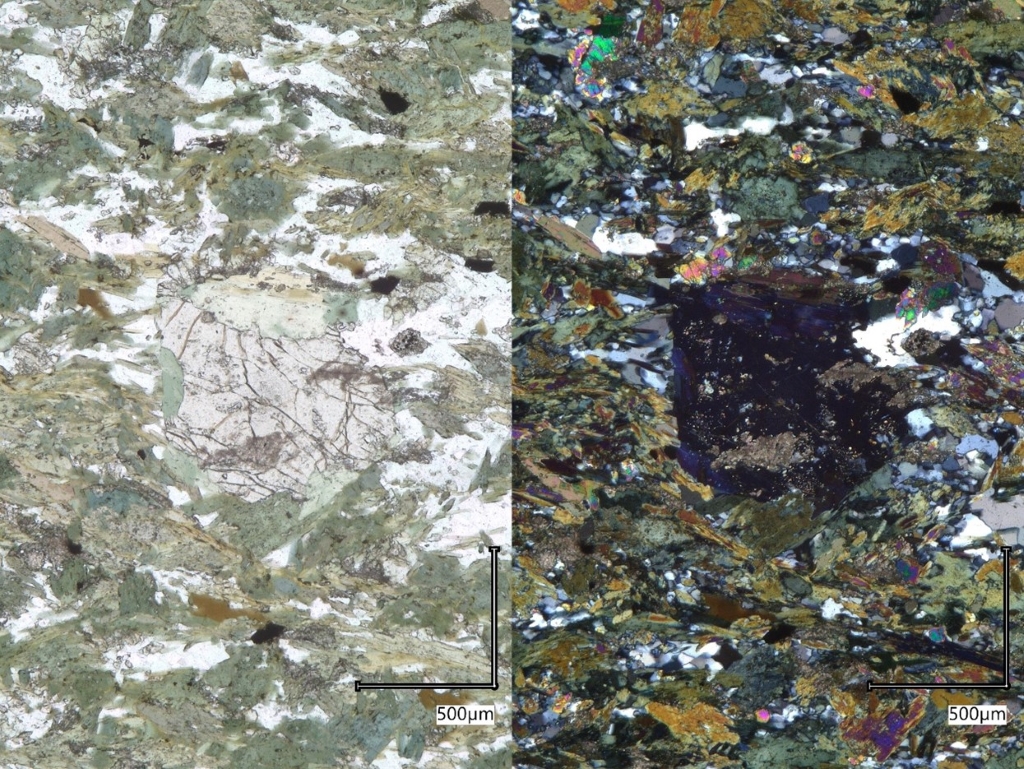
Thin section of a metabasalt in greenschist facies whith a garnet being replaced by chlorite from Scotland.
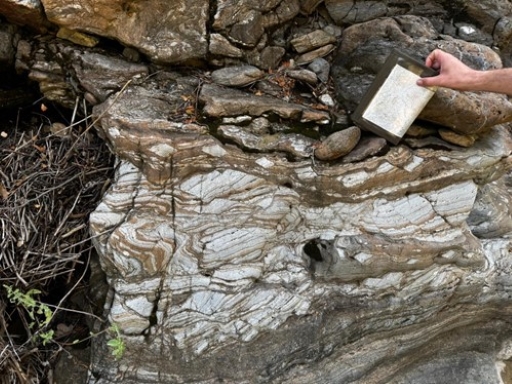
Shear zone with brittle and ductile deformation in marble from Kallintiri, Greece.
This project is based at Friedrich-Alexander University of Erlangen-Nuremberg, Germany.
Doctoral candidate: Yessica González Ixta
Project 15. Fluid flow within the core of a super-plate: Deciphering fluid – rock interactions from grain to plate scale
This project, “Fluid flow within the interfaces of a superplate: Deciphering fluid – rock interactions from grain to plate scale”, aims to decipher the geological, structural and thermal properties that controlled the formation of large-scale hydrothermal systems within key region of Pangaea, in a time frame going from the Variscan to Alpine orogenies.
To achieve that, several analytic methods will be used, from petrology (microscopy, P/T modelling, palaeothermometry), geochemistry (U-Pb geochronology, isotopic and elemental analysis), geophysics (paleomagnetism, seismic profile analysis) and field geology (structural measurements, outcrop description, GIS).
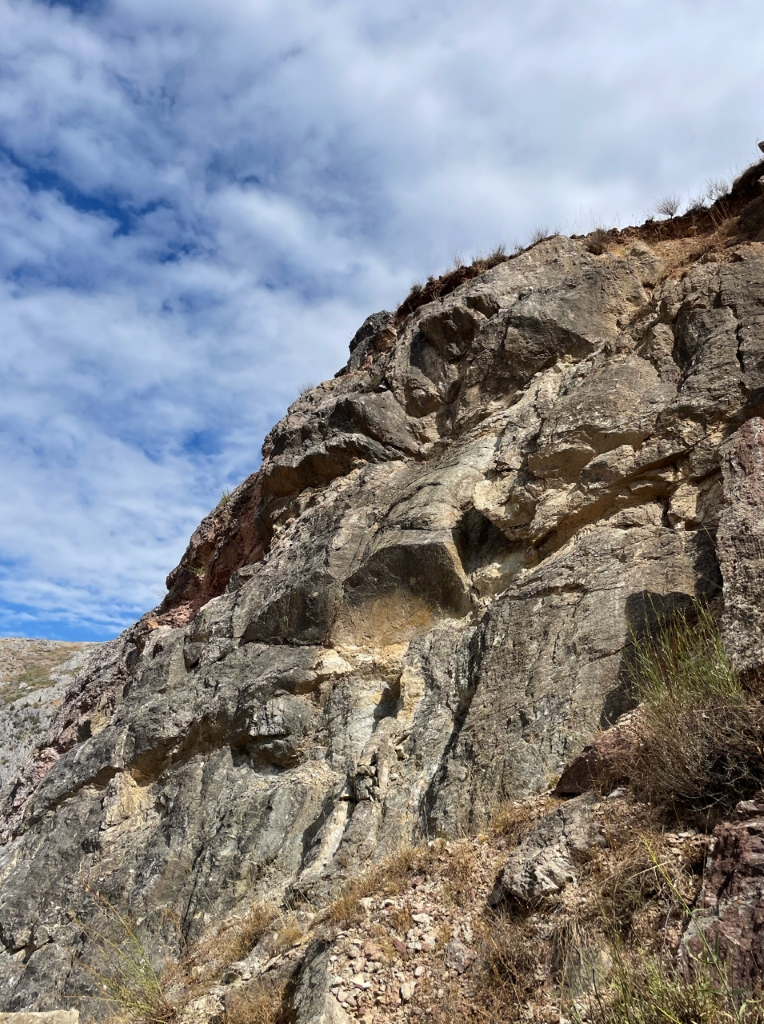
Some targets are:
– The Cantabrian Zone (N. Spain), a major foreland thrust-sheet belt of the Gondwanian realm, where we will get the occasion to study the structural and thermal control variability of the MVT, SHMS and Au mineralization.
– The South-Portuguese Zone (S. Portugal and Spain), a major foreland of the Laurussian realm where we still have to determine the studies to carry.
– The Renge metamorphic Belt (Japan), where studies on D, H, O, B and Li will be carried to decipher the origin of fluid flow provided by highly hydrated white-mica phase (phengite) breakdown from the Osayama serpentinite / blue-schist mélange.
This project is based at the Instituto de Geociencias, Madrid, Spain.
Project 16. The interface between intrusion architectures and fluid systems
Under the supervision of Dr. William McCarthy, Steve McRobbie (IG Asia), Barbara Kleine-Marshall (FAU Erlangen), and Eoin McGrath (Geological Survey of Ireland), I apply a multidisciplinary approach, combining rock magnetics, hyperspectral imaging and isotope geochemistry to identify the sources of hydrothermal fluids as well as the spatial relationship among shear zones, porphyry alteration types and associated mineralization events at both a local and a regional scale.
Distinctively, this study integrates these different types of data and structural measurements from drill core. The current focus is to provide greater resolution on the stress regimes and how they changed in the Carboniferous of the North Balkhash area (Kazakhstan). These stress variations are expected to have influenced the orientation and permeability of fault networks which could have been exploited by the contemporaneously emplaced fertile granitic intrusions that led to porphyry mineralization in the study area.

Image: Conceptual model of the interplay between faults and magmatic-hydrothermal sys-tems during and after formation of porphyry copper deposits at different structural levels. In the case shown, felsic porphyries and hydrothermal breccias are emplaced along a strongly misoriented fault (which may correspond to the restraining bend of a larger fault system). A conjugate, favorably oriented strike-slip fault with tensional component is also shown, which controls late-stage alteration veins and post-mineralization dikes. In other cases where such a favorably oriented fault is deep-seated, it would promote magma transport from the lower crust and inhibit formation of a porphyry deposit. σ₁ arrows show orientation of maximum principal stress throughout the evolution of the magmatic-hydrothermal system. Reproduced under CC-BY license from: José Piquer, Pablo Sanchez-Alfaro, Pamela Pérez-Flores (2021) A new model for the optimal structural context for giant porphyry copper deposit formation. Geology 49 (5): 597–601. doi: https://doi.org/10.1130/G48287.1
This project is based at the University of St Andrews, Scotland.
Doctoral candidate: Egor Riemer
Project 17. A new approach to “fingerprint” alteration associated with metalliferous and barren hydrothermal systems
Ore-forming hydrothermal systems leave behind distinct physical and chemical fingerprints that record fluid flow and metal transport. In volcanogenic massive sulfide (VMS) systems, these signatures are preserved within laterally and vertically zoned hydrothermal alteration halos that provide vectors for mineralization and guide exploration. However, traditional approaches to alteration characterization are qualitative and interpreter dependent, limiting scalability and reproducibility across exploration programs.

Image: Simplified local geology of the Kristineberg area with main inferred structures and VMS deposits. Modified after Rincon et al. (2024), Skyttä et al. (2013), and (Hannington et al., 2003). Deposits are projected to surface and named RN = Rävliden North, R Rävliden, Rm Rävlidmyran, H- Hornträsk, Kr Kristineberg, Kh Kimheden, and M Mörkliden. Shear zones named IF Ingmyran fault, NF Nisse fault, and RF Rävliden fault. Coordinates in SWEREF 99TM. Reproduced under CC-BY license from: Filip Simán, Nils Jansson, Foteini Simistira Liwicki, Erik Nordfeldt, Mac Fjellerad Persson, Lena Albrecht, Christian Günther, Paul McDonnell, Tobias Hermansson (2025) Stratigraphy, facies, and chemostratigraphy at the Palaeoproterozoic Rävliden North Zn-Pb-Ag-Cu VMS deposit, Skellefte district, Sweden. Ore Geology Reviews 178: 106489. doi: https://doi.org/10.1016/j.oregeorev.2025.106489
This study investigates VMS deposits in the Skellefte district, Sweden, using integrated rock magnetic and VNIR–SWIR hyperspectral analyses, supported by Raman spectroscopy, mineral chemistry, and sulfur isotope analysis, to objectively characterize hydrothermal alteration. These methods define diagnostic magnetic and hyperspectral alteration signatures, evaluate the influence of trace-element variations in magnetite and associated sulfides on magnetic properties across alteration zones, and apply sulfur isotope analysis (δ³⁴S) to constrain fluid sources and reconstruct hydrothermal fluid evolution. This integrated framework links physical rock properties to fluid-driven processes and provides a reproducible and scalable methodology for alteration characterization in VMS exploration.
This project is based at the University of St Andrews, Scotland.
Doctoral candidate: Luthfi Aryani
Project 18. Go with the flow: an integrated petrofabric study to assess flow direction and fluid/rock interactions in porous rocks
Although water is present in small proportions (~1 wt% H2O) in Earth’s crust, it is an essential component. It is the main fluid phase, including liquid water, steam and water within minerals. It is in various types of products of several important processes such as sediments or magmas. Water is highly reactive, it is an excellent solvent, and it is also greatly mobile. This molecule modifies rocks’ physical properties such as the solidus/liquidus, the mechanical behaviour and catalyses metamorphic reactions. Water therefore governs major processes in Earth’s crust (e.g. heat and mass transfer, critical metal mineralisation, rock rheology). Fractures analyses, computational modelling, or geochemical tracers, such as major elements (e.g. O, H, C), trace elements (e.g. REE) or radiogenic isotopes (e.g. U, Pb, Sr), are examples of conventional approaches to infer hydrothermal fluids pathways, but these methods don’t capture flow direction or mechanism directly.
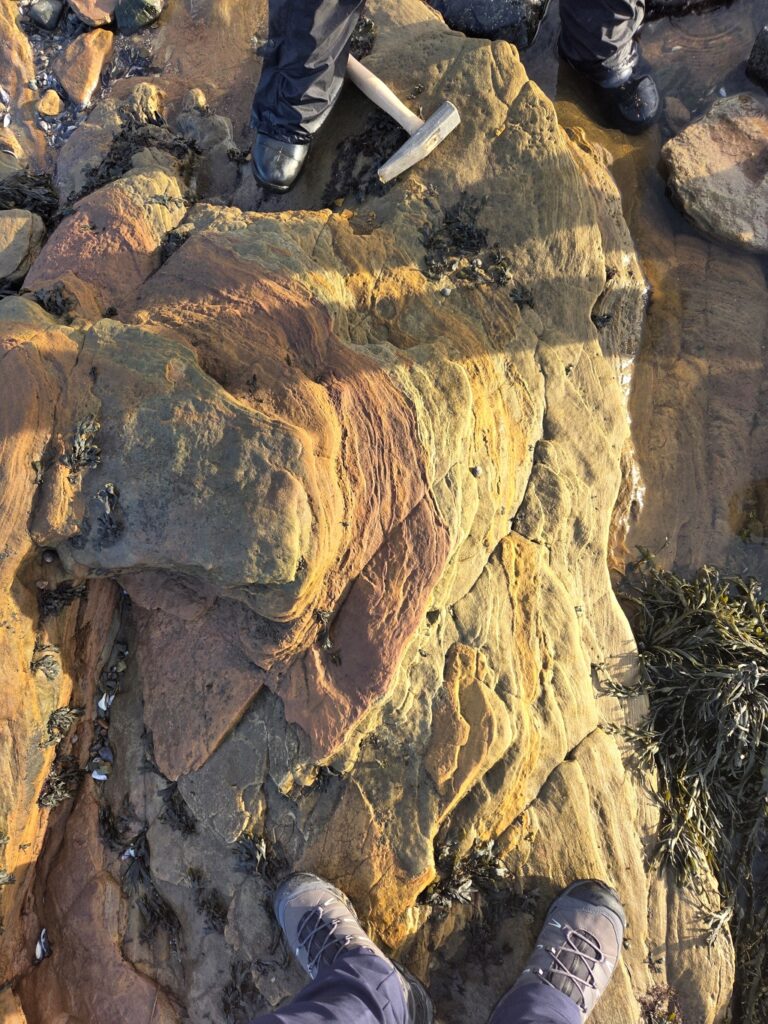
In this PhD project, the first goal is to directly identify and measure fluid-induced petrofabrics occurring in a fluid cell within the thermal aureoles of igneous intrusions using the Sherwood Sandstone Group in Northern Ireland as a case study. To do so, I will integrate preferred fabric-based methods, usually applied to magmatic fluids. I will combine anisotropy of magnetic susceptibility and remanence (AMS/AMR), crystal preferred orientation analysis, and hyperspectral mineral mapping to distinguish between competing fabrics preserved in the thermal aureole of a porous medium. This first study is expected to measure flow direction in hydrothermal systems and to provide new constraints on how fluids modify host-rock properties, localise permeability, and generate chemical enrichment.
The second phase of my PhD will implement the same method on a carbonate-hosted Mn deposit in southern Peru to constrain the hydrothermal pathways and mineralisation processes within a hydrothermal deposit.
This project is based at the University of St Andrews, Scotland.
Doctoral candidate: Malou Pelletier